Office Address
308/H-2, Netaji Subhash Place, Pitampura, New Delhi, Delhi, 110034
Phone Number
+91 9650715139
Email Address
hello@shrinext.com
308/H-2, Netaji Subhash Place, Pitampura, New Delhi, Delhi, 110034
+91 9650715139
hello@shrinext.com









 by Shrinext HealthTech
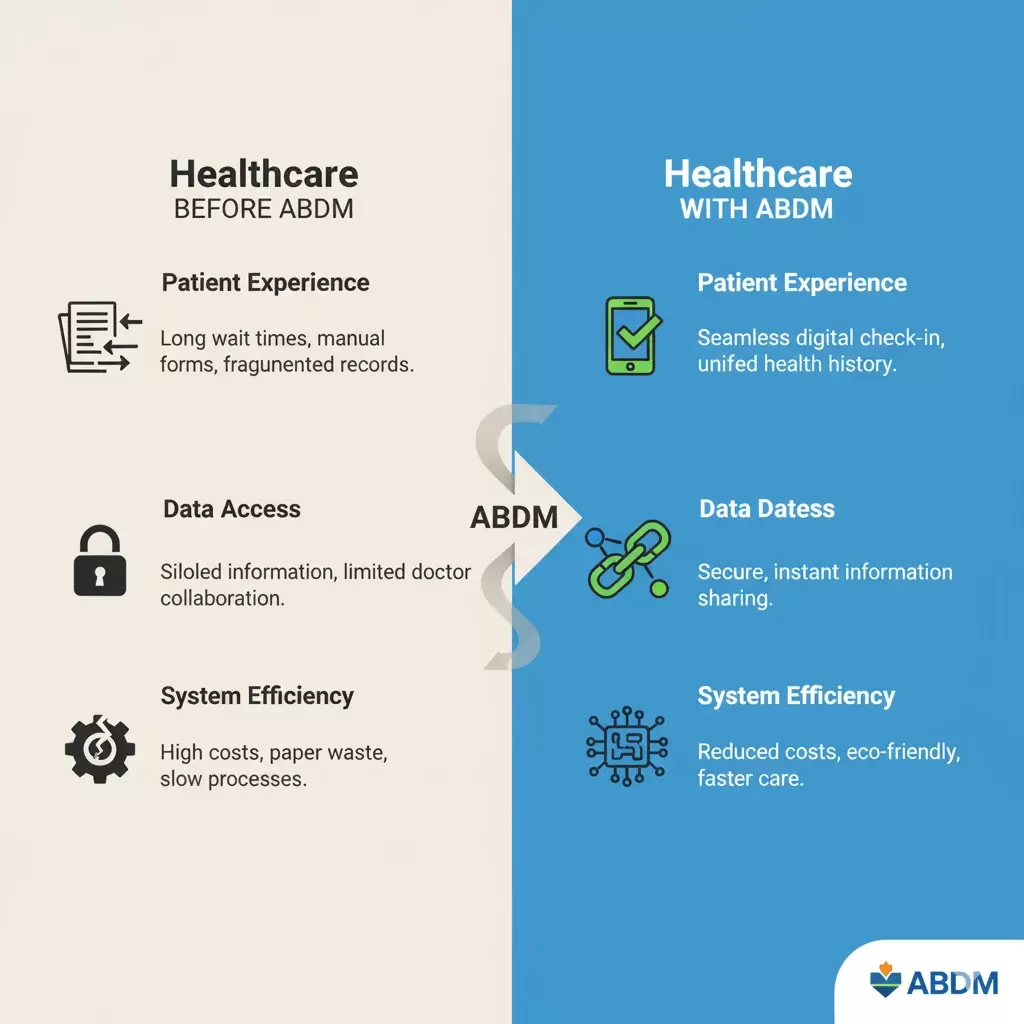
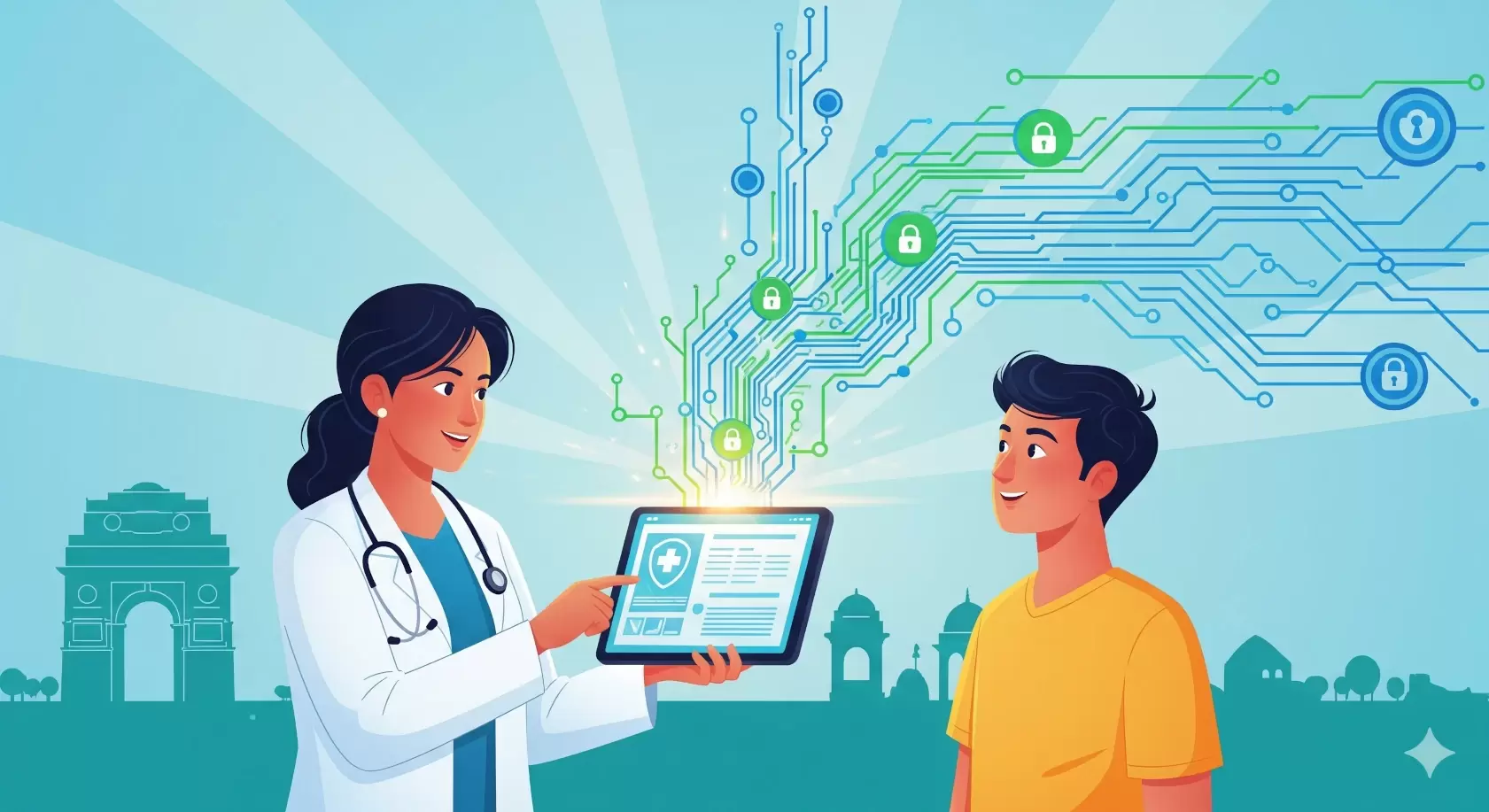
The Indian healthcare system is undergoing a historic digital transformation, and at the heart of this revolution lies the Ayushman Bharat Digital Mission (ABDM). Launched with the vision of creating a unified digital health ecosystem, ABDM seeks to connect patients, doctors, hospitals, laboratories, insurers, and digital health innovators under one national framework. Much like how UPI reshaped digital payments, ABDM aims to build a secure, interoperable, and inclusive healthcare ecosystem for all Indians.
In this blog, we’ll explore the mission, milestones, popular trends, real-world case studies, opportunities, and challenges driving ABDM adoption in India.
ABDM is a government initiative designed to create a nationwide digital health infrastructure. At its core, the mission revolves around the creation of a unique Ayushman Bharat Health Account (ABHA) ID for every citizen, enabling seamless access and sharing of digital health records across providers.
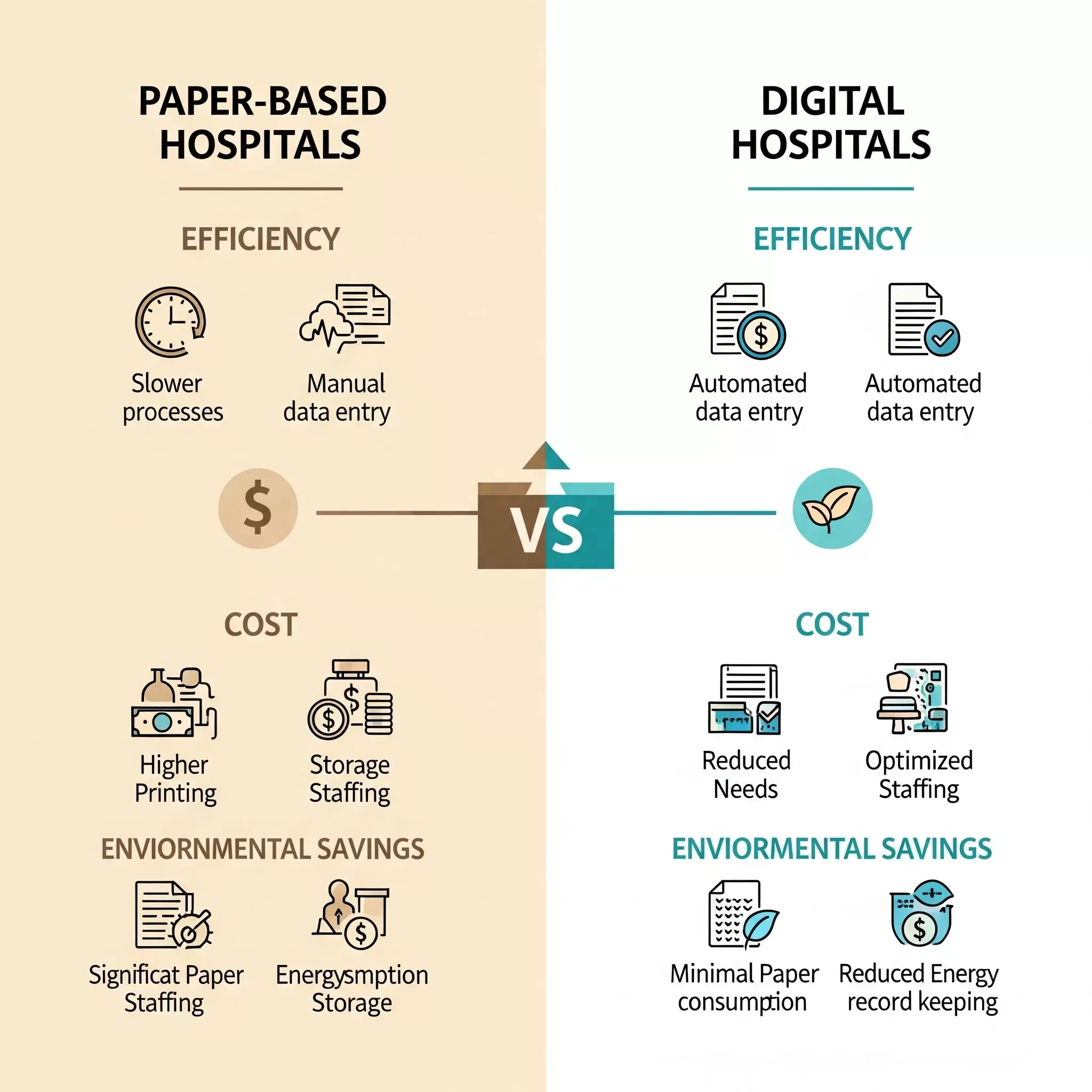
Hospitals are rapidly shifting towards digitization. For example, KLES Hospital in Belagavi has gone completely paperless, digitizing over 50,000 patient records annually. This initiative not only improved operational efficiency but also helped save nearly 1,500 trees every year. Such cases highlight how ABDM fosters eco-friendly and sustainable healthcare.
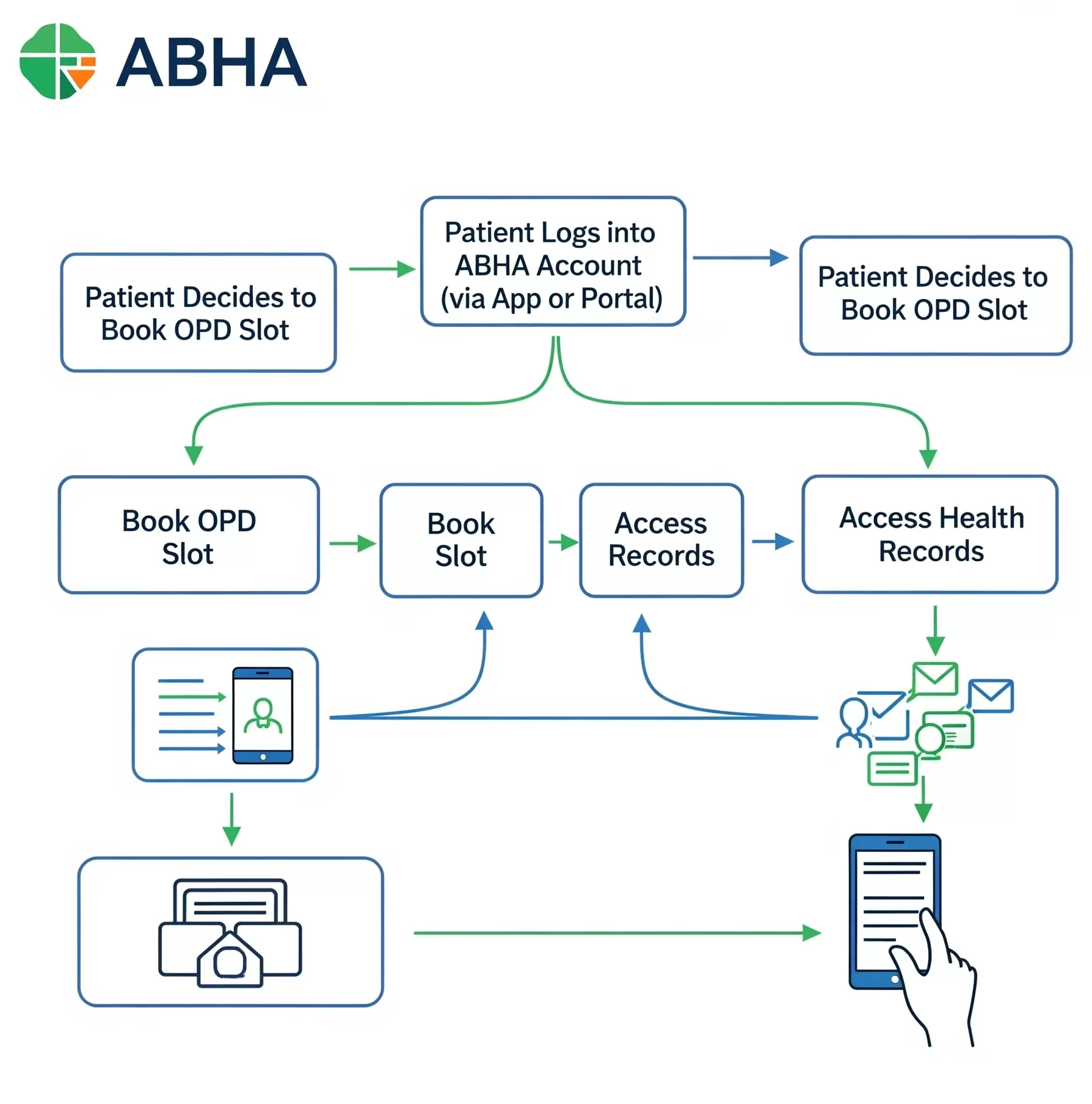
In Delhi, the Health Information Management System (HIMS) now allows patients to book OPD appointments online across 35 government hospitals using their ABHA IDs. Digital OPD slips and real-time access to health records are reducing wait times and streamlining the patient experience.
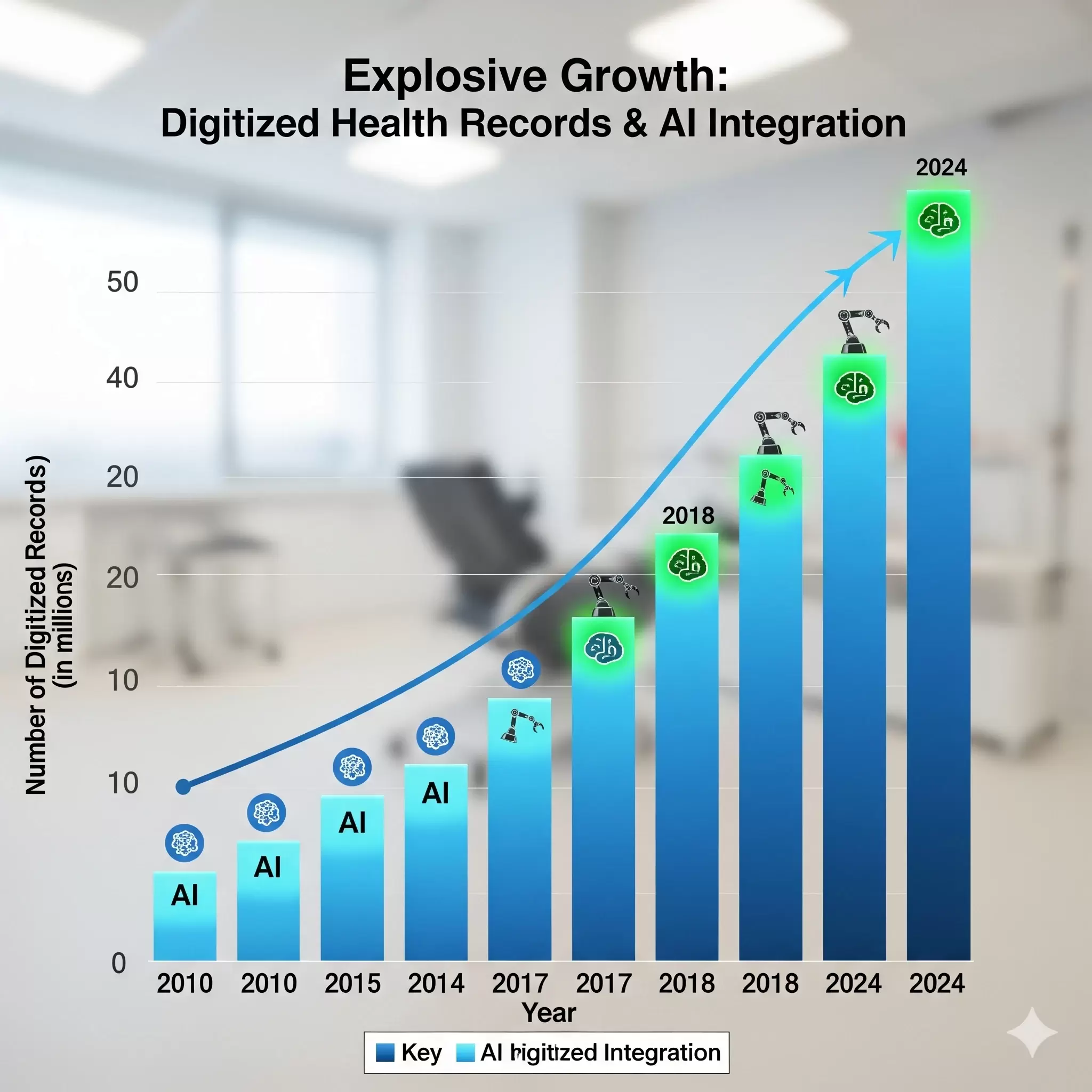
Private players are also fueling ABDM’s growth. Eka Care, for instance, has digitized over 110 million health records for 50+ million users using AI-powered solutions linked to ABHA IDs. This massive effort shows the synergy between ABDM and artificial intelligence in building India’s healthcare data backbone.
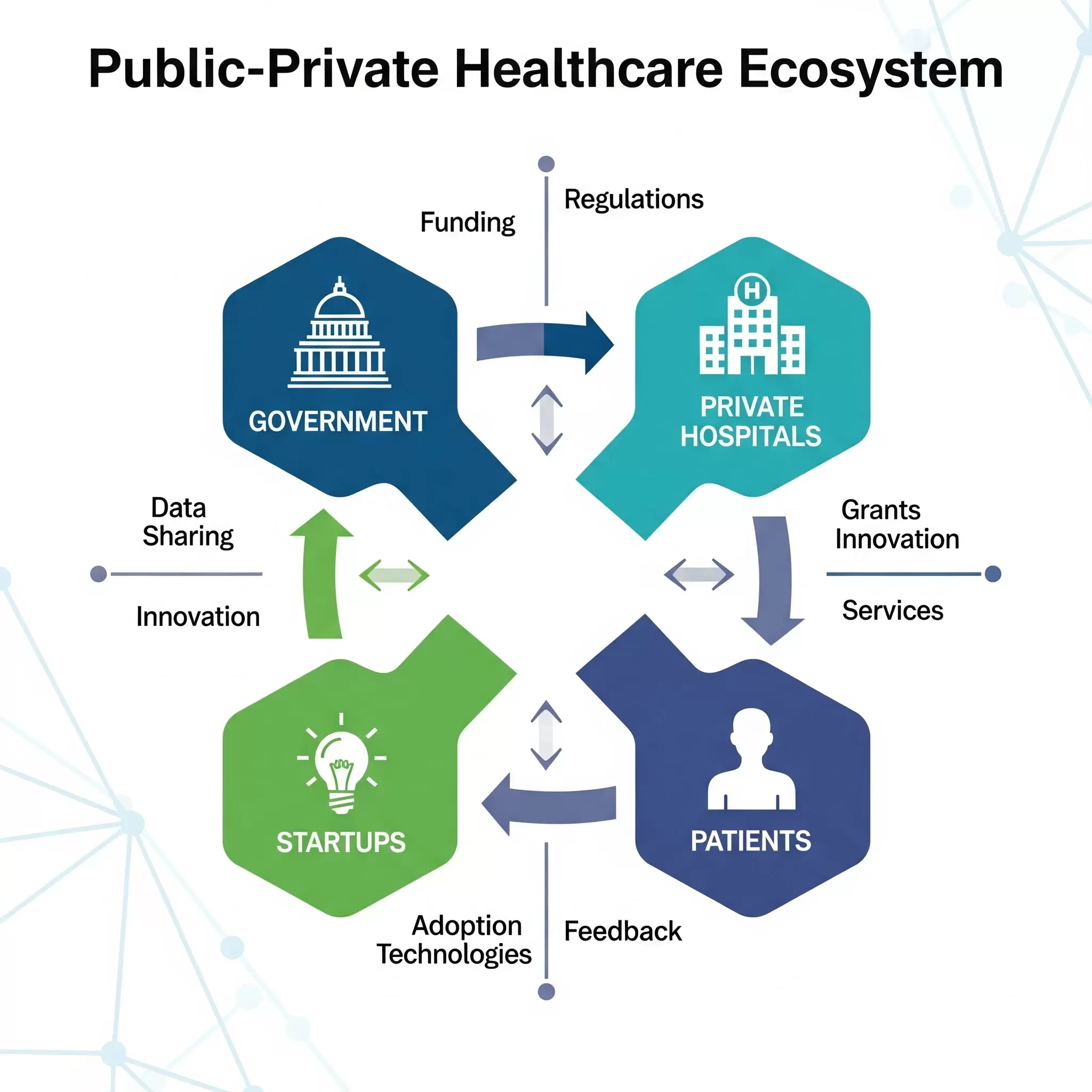
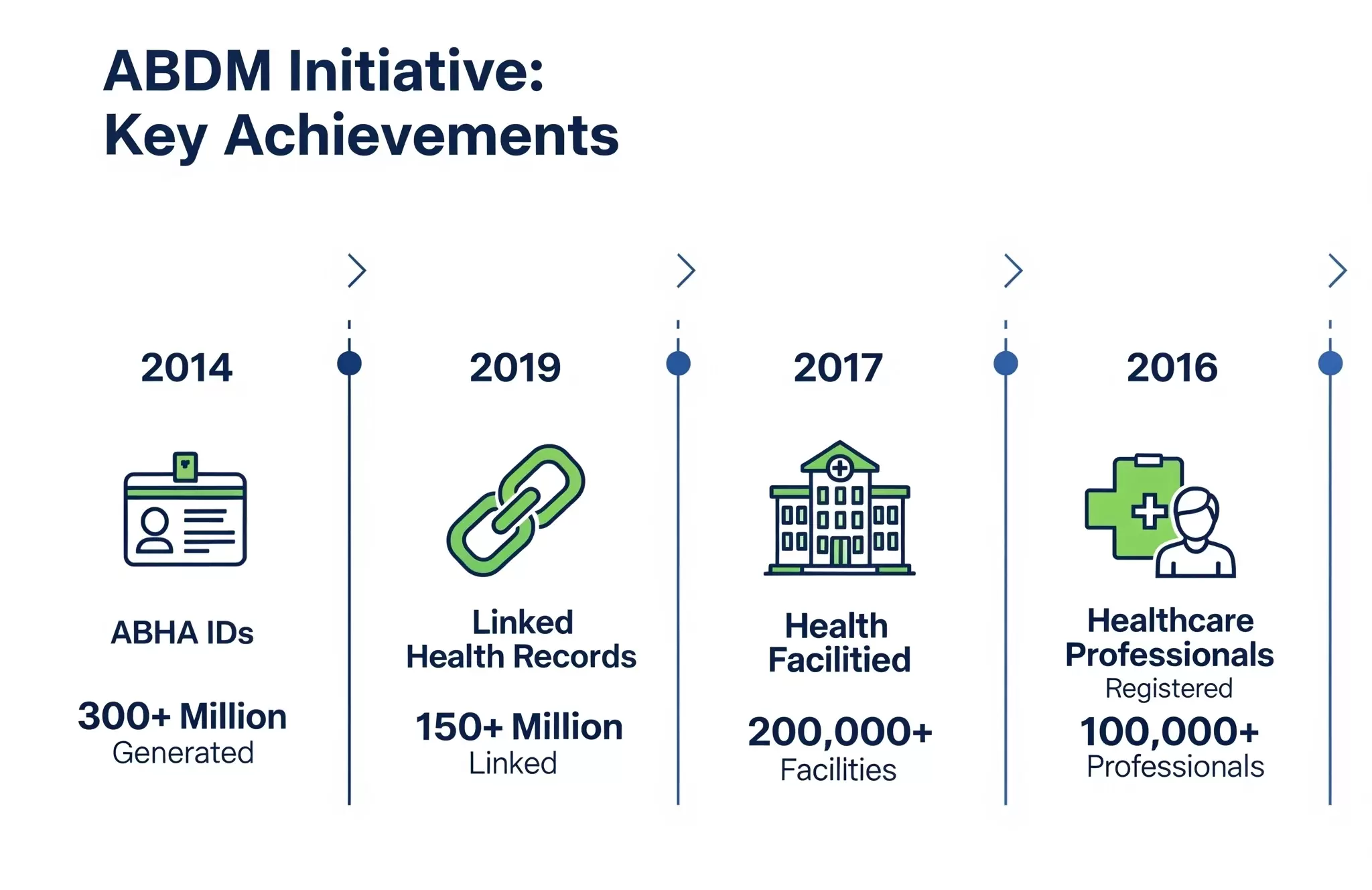
At the CII UP Health Summit, officials highlighted that over 14 crore ABHA IDs have been created, and more than 97,000 healthcare professionals trained. Public-private collaboration remains central to ABDM’s expansion, encouraging innovation and state-wide adoption.
ABDM has already achieved impressive scale:
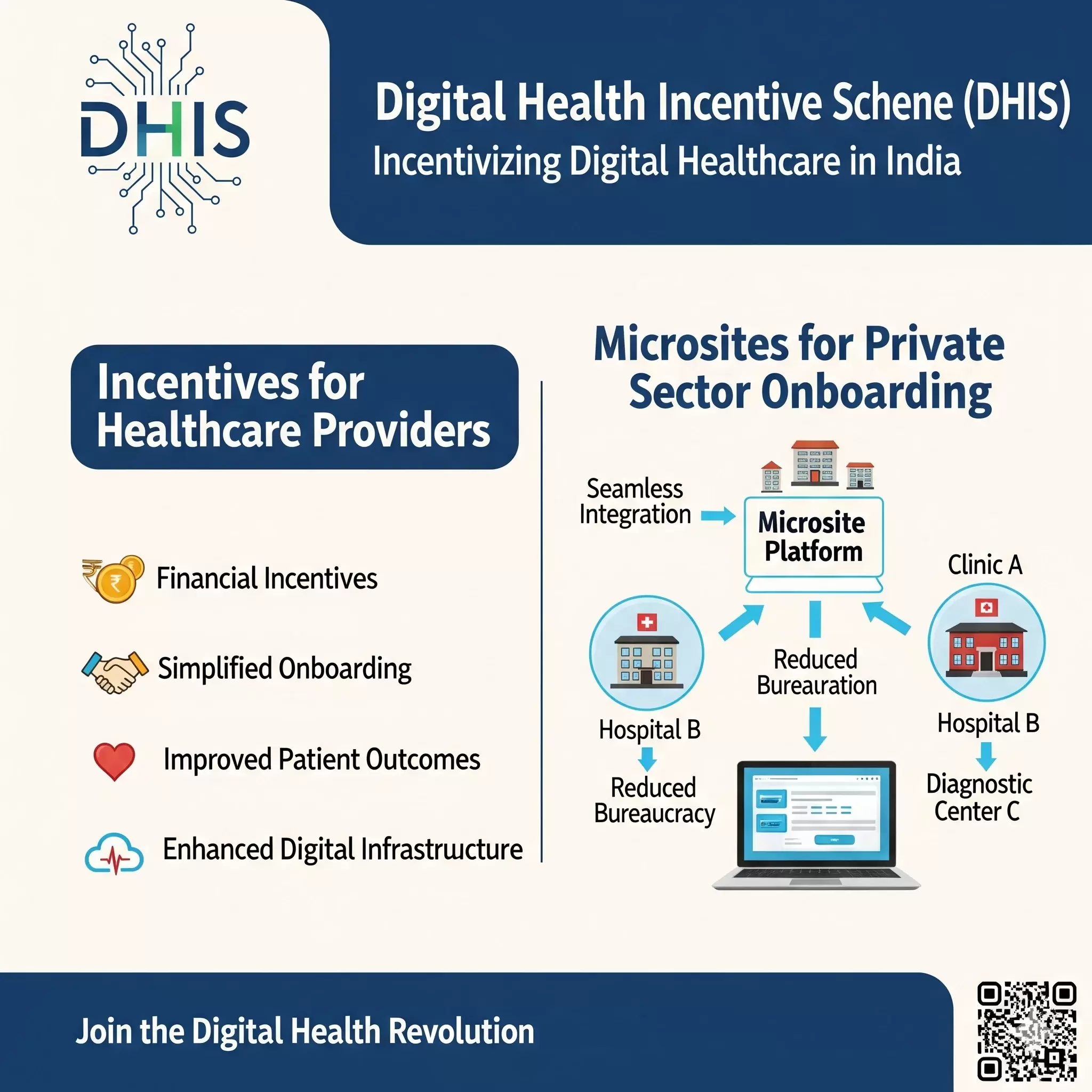
To encourage adoption, the government launched the Digital Health Incentive Scheme (DHIS), offering providers up to ₹4 crore for becoming ABDM-compliant. The initiative has been extended to June 2025. Additionally, 100+ microsites have been established to simplify private-sector onboarding.
Despite progress, challenges remain:
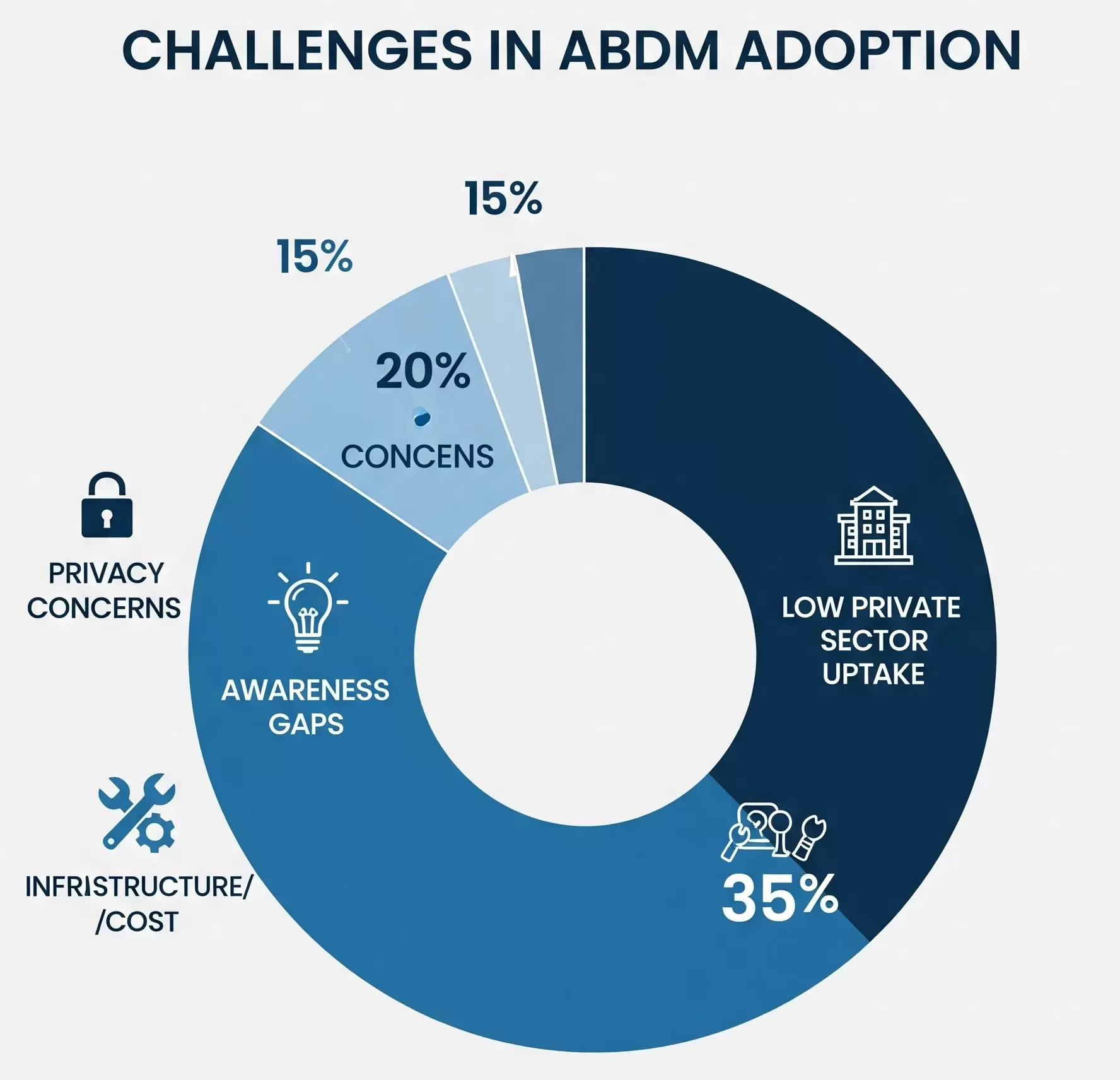
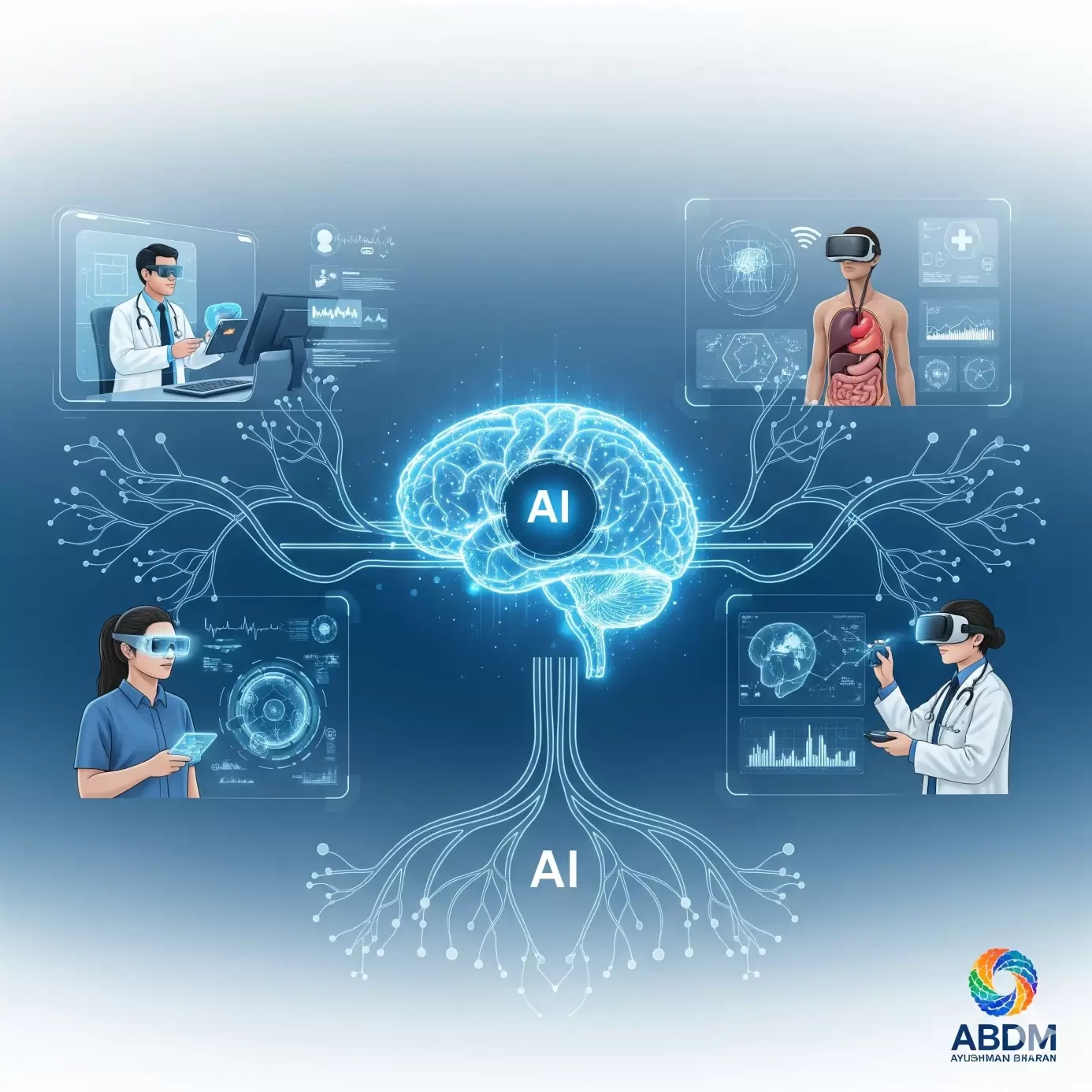
Emerging technologies are taking ABDM beyond digitization:
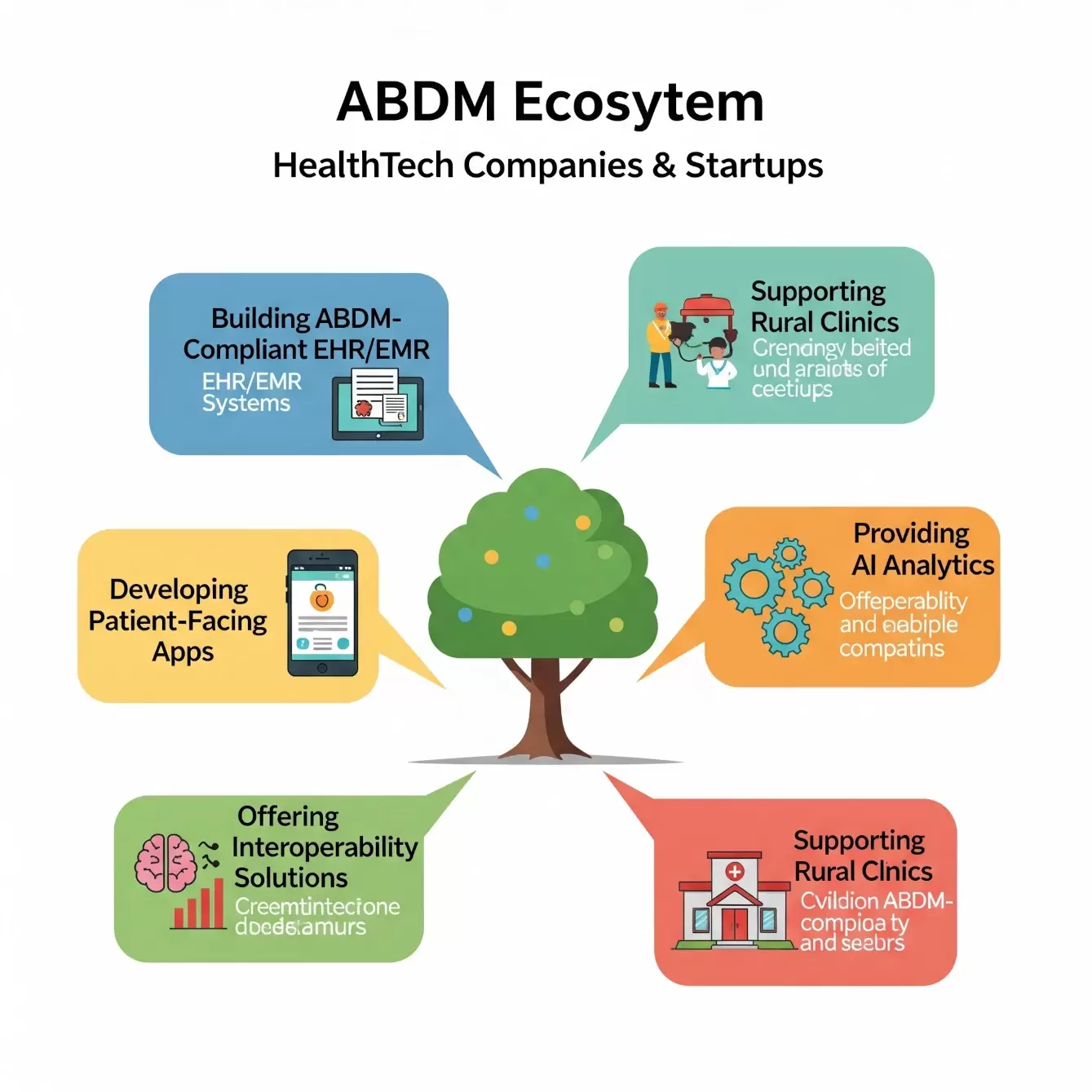
ABDM is opening significant doors for startups and technology providers:
The Ayushman Bharat Digital Mission is not just a government project—it is the foundation of India’s digital healthcare revolution. From paperless hospitals and online OPDs to AI-driven record keeping, ABDM is ensuring that healthcare becomes accessible, interoperable, and patient-centric.
For healthcare startups and companies like Shrinext HealthTech, this mission opens vast opportunities: building ABDM-compliant platforms, developing AI-driven solutions, and creating apps that empower both doctors and patients.
The journey is ongoing, but one thing is clear—ABDM is set to do for healthcare what UPI did for payments. It’s time to embrace the digital future of health in India.